For how long have you been writing?
I’ve been a writer since I was eight years old. It feels like a creative inheritance. A birthright. What I was meant to do on this planet.
I wrote my first novel in the sixth grade, offering daily installments to my friends, who clamored for the pages from my notebook at lunchtime in the cafeteria at Garden Springs Elementary School. So, I was on my way.
What’s the title of your latest book, and when was it published?
Boundless, published Dec. 21, 2024
When you have become no one, how do you become someone again?
Carolyn Dawn Flynn thought she had the answer. As an author, magazine journalist, and single mother of twins, she was sure of her path. But with her twins eagerly casting their college choices to anywhere-but-here, and the newspaper industry in a death spiral, her life was on a collision course with an uncertain future. Clearly, it was time for a road trip.
Flynn takes a media job two thousand miles away, dismantles the twins’ childhood home, and bids a (merciful!) farewell to the mom-van. She moves from the high desert mesa of New Mexico to the healing waters of Saratoga Springs, New York. Within weeks, the dream unravels, leaving Flynn searching for a way to find home—or perhaps create a new home entirely.
In BOUNDLESS, Flynn reimagines the empty nest, turning her keen insight and signature poetic voice to the deeper questions about the stages of women’s lives. Set at the intersection of youthful coming-of-age and the vanishing horizon of middle age, BOUNDLESS offers powerful questions about what it means to become—and ultimately provides a road map for recovering emotional agility.
What number book is this for you?
Eight!
How do you categorize your book—as a memoir, memoir-in-essays, essay collection, creative nonfiction, graphic memoir, autofiction—and why?
Memoir. It is a narrative memoir. It reads like a novel. And hopefully, a book-to-film! I do call it, “a road trip to rejuvenation,” and as everyone knows, if there’s a road trip, that’s a movie waiting to happen.

What is the “elevator pitch” for your book?
When you have become no one, how do you become someone again? That is the big question for author and magazine journalist Carolyn Dawn Flynn, a single mother of twins, as she faces the impending empty nest and the death-spiral of the newspaper industry in BOUNDLESS. The book is a stand-alone manifesto for Chapter Two wise womanhood and serves as a sequel for those who followed Flynn’s column in Sage Magazine in the Albuquerque Journal, which at its height had 425,000 readers.
What’s the back story of this book including your origin story as a writer? How did you become a writer, and how did this book come to be?
My life plan was to become a novelist, but at 17, reality landed like a massive black grand piano on my head, and I realized I needed a writing career that would pay a bit better—and sooner. I noticed that there were these huge manufacturing plants called presses attached to these buildings that had newsrooms, and they needed words, lots of them!
So I double-majored in journalism and English, intending to be a journalist for a little while, then become a novelist.
I like to say I have three MFAs in Writing because I pursued a creative writing degree first at the University of Kentucky, when I returned to fiction at age 26 and had the privilege of being mentored by National Book Award-winning author Percival Everett (James, 2024) and poet James Baker Hall. My newspaper career plucked me out of Kentucky and took me to Arizona, where once again, as soon as I could lift my head up from the frantic pace of daily journalism, I entered the Arizona State University creative writing program, where (lucky me!) I worked with master short story writer and novelist Ron Carlson. That journalism career catapulted me to another job, where I moved to Albuquerque to be in senior management, then editor-in-chief of Sage magazine, and then it was time to try again. In 2008, at the age of 48, I realized that the dream was not going away. I was accepted into the Sena Jeter Naslund-Karen Mann School of Writing into the Spalding MFA in Writing program in fiction and creative nonfiction.
It was still my intention to be a novelist, but Spalding asked me if I would like to do creative nonfiction my first year, and that was the seed of becoming a memoirist.
What I told myself at the time was, “This will be easy! I know how to tell true stories because I’m a journalist. I know how to tell literary stories because I’m a fiction writer.” Little did I know…
But oh how wonderful to start on that journey! I believe memoir and all of its iterations and forms is the most vibrant and evolving form in the literary world. I love seeing what is emerging hybrid memoir – researched memoir, oral history and memoir, epistolary memoir. I am working on a second memoir now, and it has epistolary bits woven into the narrative.
I call myself a reluctant memoirist, but it seems I keep getting pregnant with memoirs.
https://carolynflynn.substack.com/p/the-self-as-the-highway-to-our-stories
What were the hardest aspects of writing this book and getting it published?
As I was writing Boundless, I sometimes had to gasp for breath and ask myself, “Why does this book unstitch me?” This was a good thing. The more I asked that question, the more came to the brink. I could show what was at stake—and it was all-encompassing.
https://carolynflynn.substack.com/p/let-your-book-unstitch-you-remember
As for getting it published, several agents expressed interest, and it was longlisted for the Mslexia International Memoir prize in 2021 (pre-publication). In the end, agents told me they loved the book—they were quite intrigued with the theme of becoming—but the memoir market was tough.
I ended up going with a small indie publisher, Atmosphere Press, and I couldn’t be more pleased with the high degree of excellence they offer every step of the way, whether that’s editing, design or publicity.
How did you handle writing about real people in your life? Did you use real or changed names and identifying details? Did you run passages or the whole book by people who appear in the narrative? Did you make changes they requested?
My first developmental editor, Erika Krouse (Tell Me Everything and other books), was most helpful with three major issues that emerged. She’s been through a firestorm with that book! And it has been successful – as a NYTimes-spotlighted review.
The first issue played to the strengths in my wheelhouse as a journalist. This background has always served me well when I write memoir or work as a book coach with memoir writers. We had to make sure we were libel-proof. In a way, this was the easiest part.
The second issue is that I have an ex-husband with whom I have co-parented the twins, and I knew he would not come across well. Erika’s guidance was that I wasn’t going to be able to make him look better than who he actually was. Only giving a sliver of the story didn’t serve the story, and didn’t get me away from the thorny issues. So she guided me in how to lean into it to serve the story yet honor the relationship that created the twins.
Essentially, her advice was much like that of Anne Lamott, who says, “You own everything that happened to you. Tell your stories. If people wanted you to write warmly about them, they should have behaved better.”
The third issue arose from the most unexpected place—from a deep personal relationship, from a person who is depicted in a halo of angelic light in the book. I wasn’t expecting an objection from someone who looks good—even great—in the book. The tightrope was to hold to my story while honoring her wish for privacy. In this instance, I changed the name and details about how we are related.
The fourth issue was decided a long, long time ago. While I was editor of Sage magazine, I wrote a monthly column, and often it was about the twins. So I had been writing about the twins for the public (for about 425,000 readers) since they were minus-six months old (I was three months pregnant). They have always had “column names” and “book names” to protect their privacy. In particular, my daughter is probably the only living person on the planet with her name. So she is Grace, and her twin brother is Paul. Now they are 27, and they appreciate this decision I made from the get-go. I wanted them to be free to live their lives on their own terms.
I also tell them that they are free to write about me. It’s only fair.
Who is another writer you took inspiration from in producing this book? Was it a specific book, or their whole body of work? (Can be more than one writer or book.)
The true origin of my inspiration to write about my life as a single mother of twins comes in a straight line from Anne Lamott’s Operating Instructions. It’s as if Anne Lamott’s Grace (Eventually) met up with Operating Instructions and decided to write about the opposite end of motherhood—the empty nest.
I say that Boundless is the story of one woman’s urgent beckoning to become someone more authentically herself. It is infused with the feral hunger of Untamed by Glennon Doyle or Wild by Cheryl Strayed and laced with the poetic horizons of David Whyte and John O’Donohue.
Though my walking pilgrimage in Ireland with the poet David Whyte occurs after the events of Boundless, one year later, his take on placing oneself in the lineage of your ancestors and your future descendants was a breakthrough for me—a healing moment for the empty nest angst that has propelled me forward the past seven years.
That is why I requested permission from David to use his poem, “Just Beyond Yourself” as the epigraph. So thrilled he said yes!
Another strong influence that flows through Boundless are the spiritual teachings of Father Richard Rohr, founder of the Center for Action and Contemplation, and the faculty of The Living School. You’ll find a bit of Thomas Merton and Julian of Norwich in there! I see Boundless as one woman’s story about how you can shed the False Self and trust that you can do the True Self no harm.
What advice would you give to aspiring writers looking to publish a book like yours, who are maybe afraid, or intimidated by the process?
What makes memoir extraordinary is when it achieves a universal resonance. It must lift the reader up from the parade of events of someone else’s life and speak to what it means to be human.
Now, that’s not the least bit intimidating!
I believe the single best superpower any writer has is the ability to “read like a writer.” See what other writers are doing with their craft. See how they make art out of the story of a life.
This past month, I posted “The Sixteen Superpowers of Memoir Writers:
Make These Decisions on the Front End, and All Will Go Well for You,” and reading like a writer is one of them. Many of my book coaching clients showered me with love and gratitude. It was exciting to see how they took in the tips and started applying them to their own manuscripts. Two of the most popular posts: “Play the Present Against the Past” and “Make Peace with Writing About Yourself”
What do you love about writing?
I love seeing where this all goes when it hits the page. So many unexpected and magical moments! It’s a wild ride.
What frustrates you about writing?
Nothing. I never have writer’s block. And I wish writers would stop telling themselves that their profession is somehow subject to this affliction. Do surgeons ever have surgeon’s block?
If a writer feels blocked, she’s doing the blocking. That’s coming from within. On some level, the writer agrees with all the other things people say about writing, creating and getting published. Don’t agree with them. The good news is that if you’re doing the blocking, you can do the unblocking.
The best thing a writer can do is cultivate a practice of mindfulness so she can transcend the incessant chatter of the mind, which is filled with self-doubt and, as Jackson Browne famously wrote, “Among the thoughts that crowd your mind, there won’t be many that ever really matter.”
Meditate so you can find the thoughts that matter and discover your own precious and beautiful mind. Meditate so you can be original. Meditate so you can be calm when you take on the tough stuff.
In my meditation practice, one of my mantras is “Let the mind drop into the heart.” People who write with a clear, untethered mind, an open heart and an awakened body are writers who write words that matter.
For more on this: Michael A. Singer’s “The Untethered Soul” is wisdom for the moment we’re living in now.
What about writing surprises you?
I’m like Monet, who even to his last days was still painting water lilies because the light was different every day. He would wake up, see the light shimmering on the pond and in the trees and want to capture it. And he would say, “Today, I will at last get it right.”
That.
Does your writing practice involve any kind of routine, or writing at specific times?
Morning is for my fresh mind. Nighttime is for my wild mind.
I use timed free-writes with my own prompts, usually 10-, 15- and 25-minute writes for a session. I am a student of Natalie Goldberg (Writing Down the Bones) and treat this like a Zen sit. I don’t cross out. I keep the pen moving. I am committed to writing until the atomic bomb goes off, and even after that, keep writing until the radiation gets me.
I teach my author clients to expand their field about what writing is. That includes the art of noticing when you are out living your life. Practice describing the precise color of that blood and the exact pattern of that wake on the water. Practice observing humans and then describing their energy and their essence based on their specific, vivid physicality. Set aside time for review, reflection and retrieval, not just generating writing. Your notebook is a gold mine.
During the years of co-parenting, I designed every-other-weekend writing retreats for myself, beginning with a “Literature Therapy” routine on Thursday nights, which is my fancy way of saying that I made the transition from journalist-mind to literary writer-mind by reading the words of great contemporary literary writers. It was my way of clearing out the cobwebs. It always worked. I entered a new vocabulary. I expanded the field of storytelling. Simply by following literary explorers into the woods. By Friday, I had a mind that was settled and ready to spend the next three days working on my book.
Do you engage in any other creative pursuits, professionally or for fun? Are there non-writing activities do you consider to be “writing” or supportive of your process?
Music. Always music. I play piano. Music informs the structure of my books and the rhythm of my sentences.
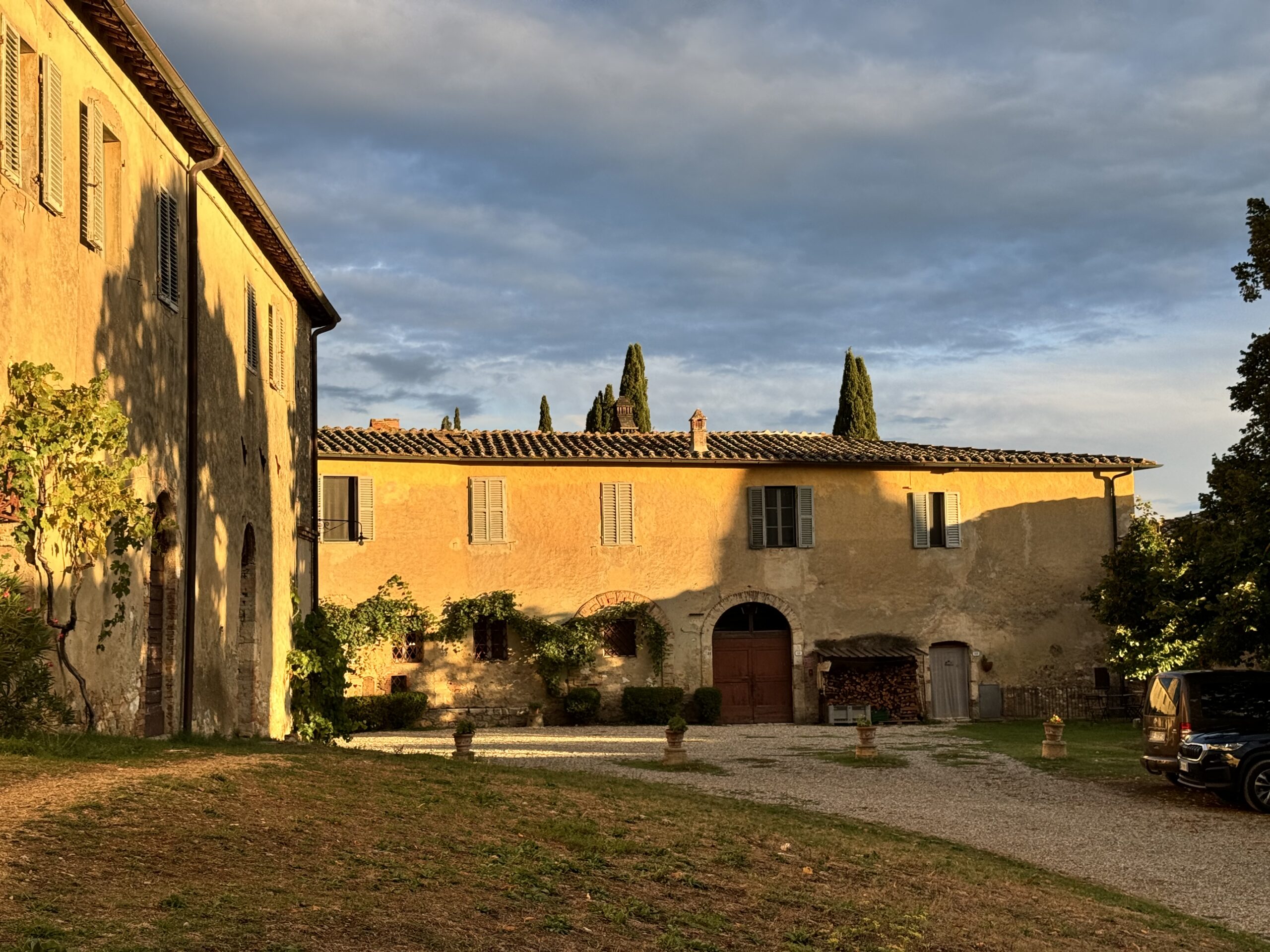
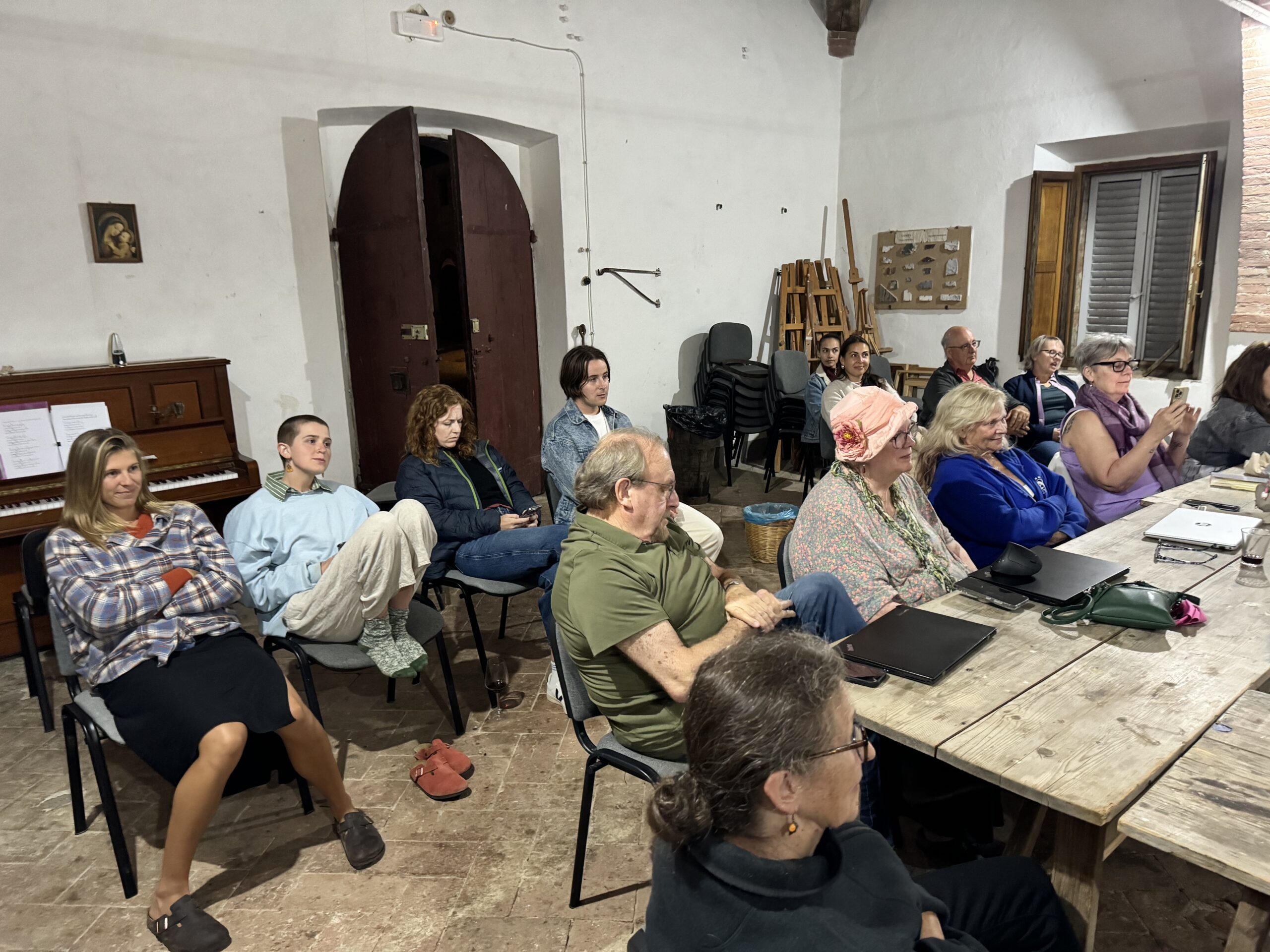
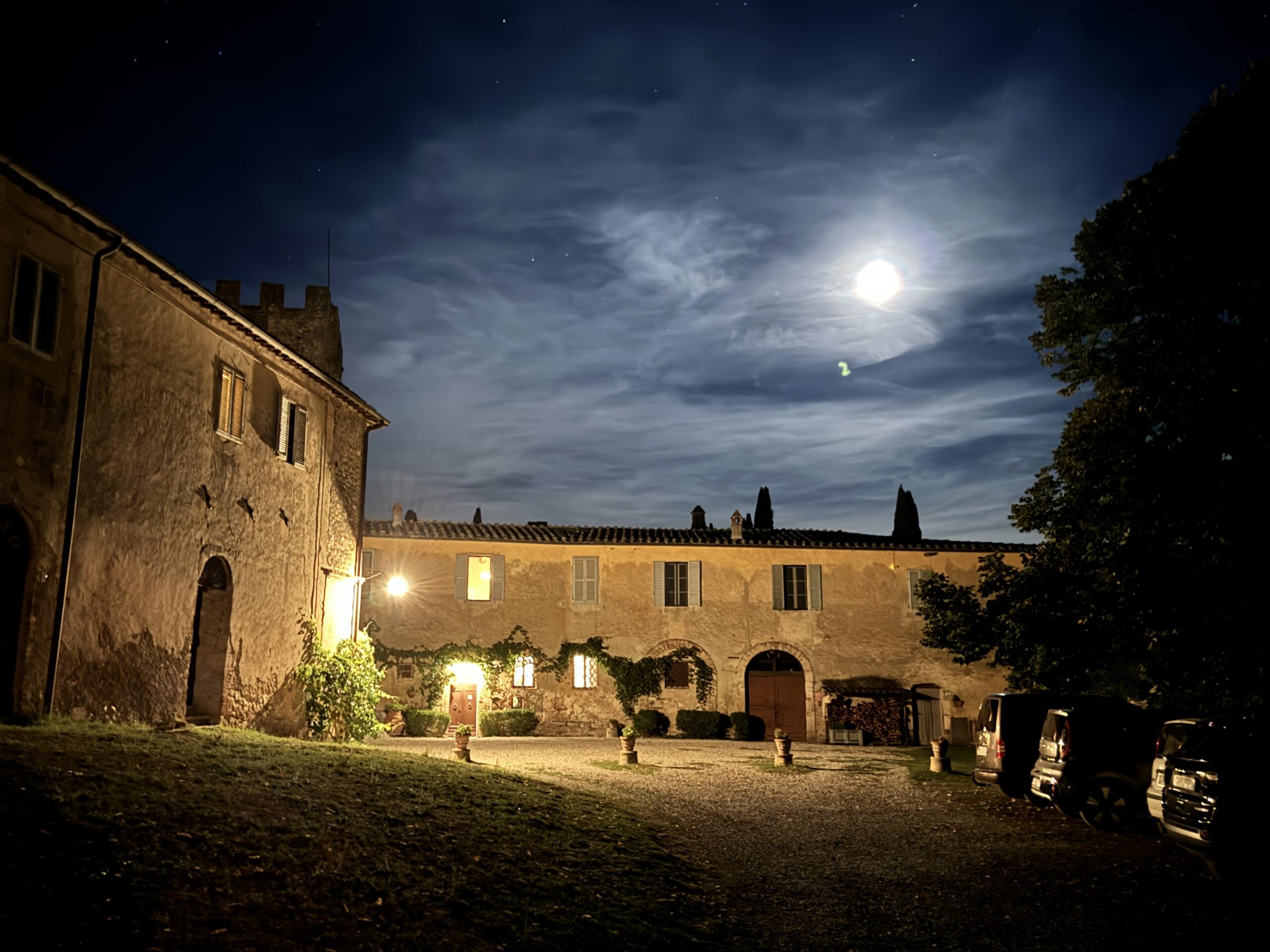
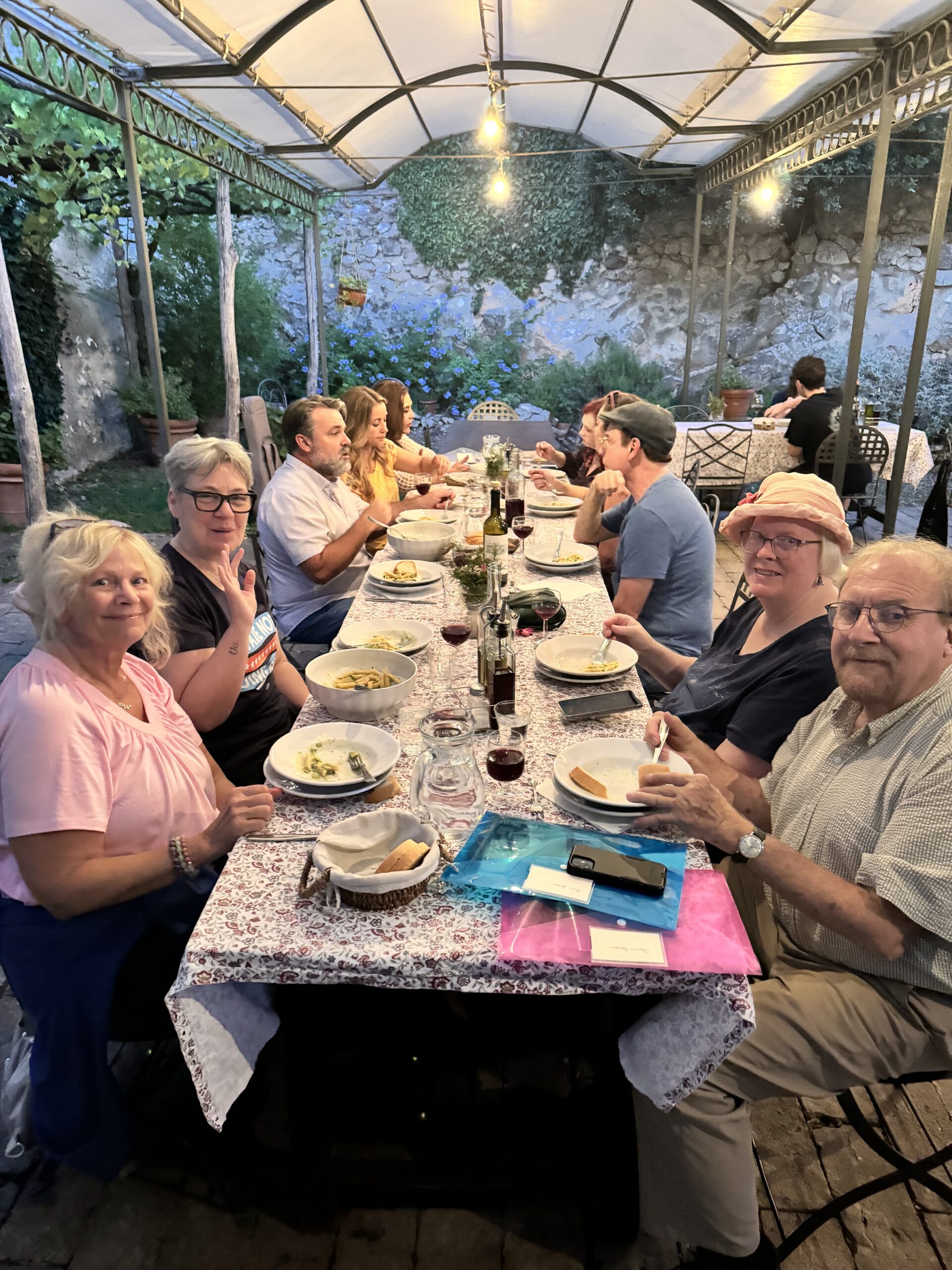
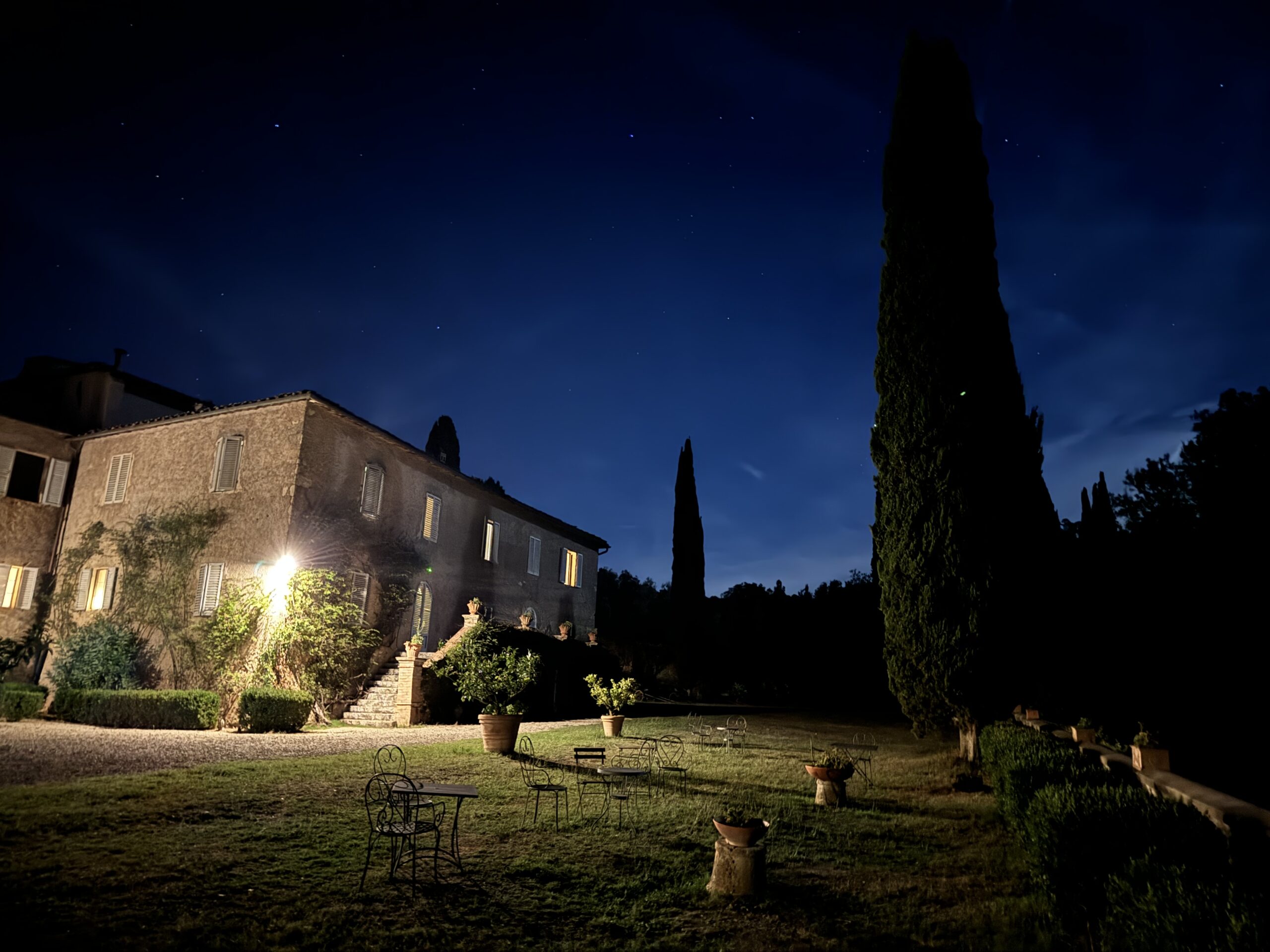
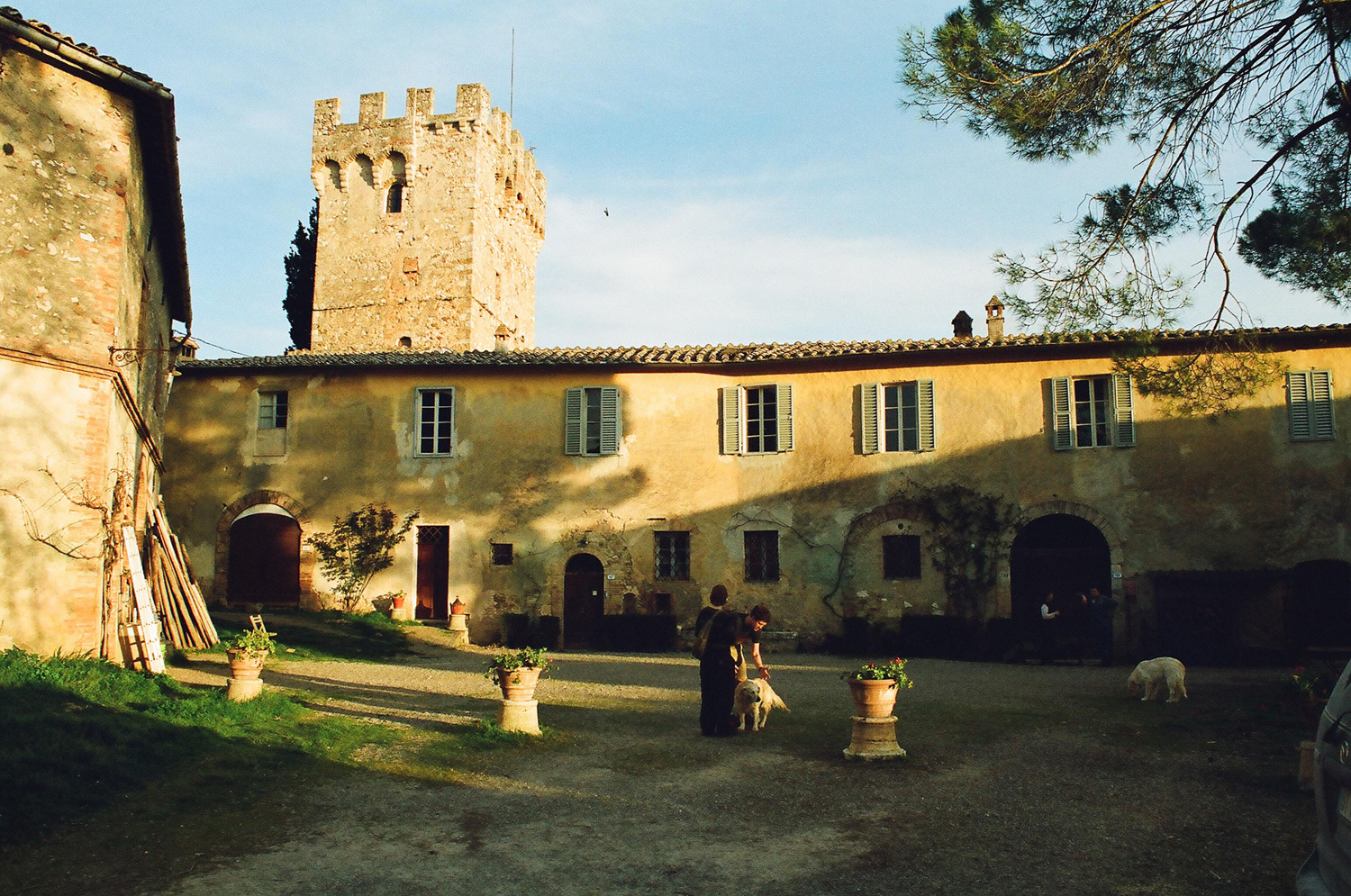
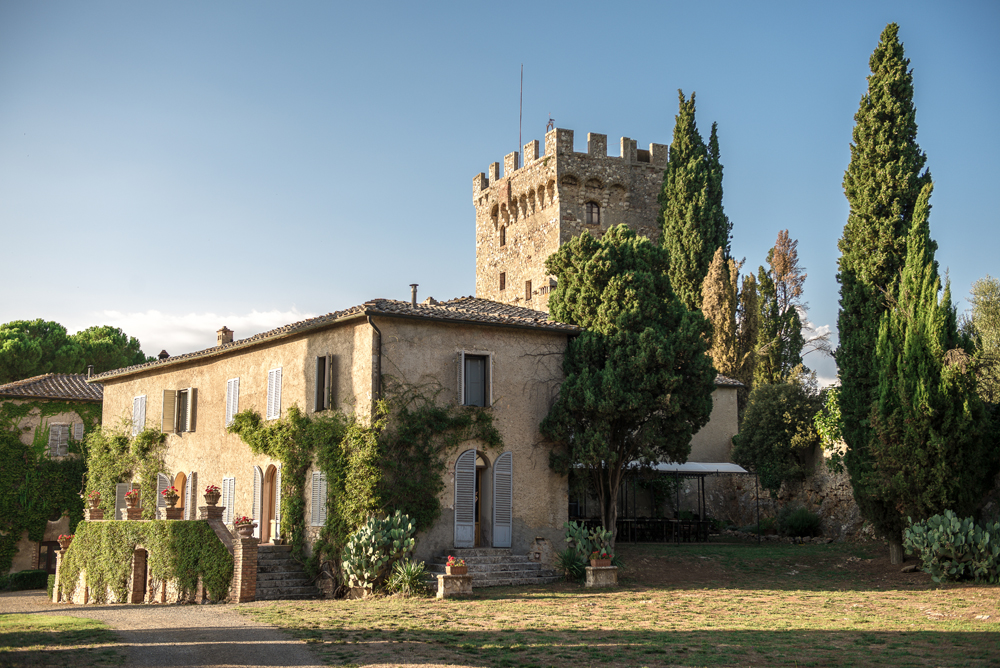
This past year, I partnered up with a fiction writer/lyricist and songwriter to present the Stories and Songs Writing Retreat in Tuscany, Italy. We had a hunch that putting stories and songs together would spark magic, and it did! We actually all wrote a hit song!
What’s next for you? Do you have another book planned, or in the works?
Reluctantly, I’m writing another memoir. (See Substack post, link above, about being a reluctant memoirist.)
Dear Grace is a hybrid memoir that examines the DNA of femininity through my Irish, Scottish and Cherokee ancestors, blending the narrative of a year with breast cancer with letters to my daughter Grace; my grandmother Grace; my Cherokee ancestor, The Girl with the Rainbow Hair; Irish and Scottish ancestors and goddesses such as Brigid/Bride; and ultimately—Eve. The narrative is a propulsive inquiry into our collected wisdom about marriage, childbirth and motherhood—all the glorious things a female body can hold and become.
The tone is part-tragicomic and part-lyrical love letter to future descendants. It channels the engaging style of Kate Bowler’s Everything Happens for a Reason and Other Lies I Love and the poet Maggie Smith’s You Could Make This Place Beautiful. The story unfolds in four places—the majestic foothills of the Sandia Mountains in Albuquerque, New Mexico; the jubilant and fierce landscape of the Inner Hebrides in Scotland; the sweet and wild Atlantic coast of Ireland; and the lush forests where the Cherokee walked in Kentucky.
Composed with a Meander, Spiral, Explode feminine story structure and the fragmentary style of Carol Shields’ Pulitzer-winning Stone Diaries, the narrative considers the erasure women face as our stories recede into memory and are not recorded in the line of history. Where do we look for the stories that speak for us when we are gone? In our gardens—our children, our creative work, our compassionate presence. In Dear Grace, I seek to place myself in the grace of the future.